

Giesecke+Devrient adds colours to ceramic payment cards
Fri, 21st Aug 2026.webp)
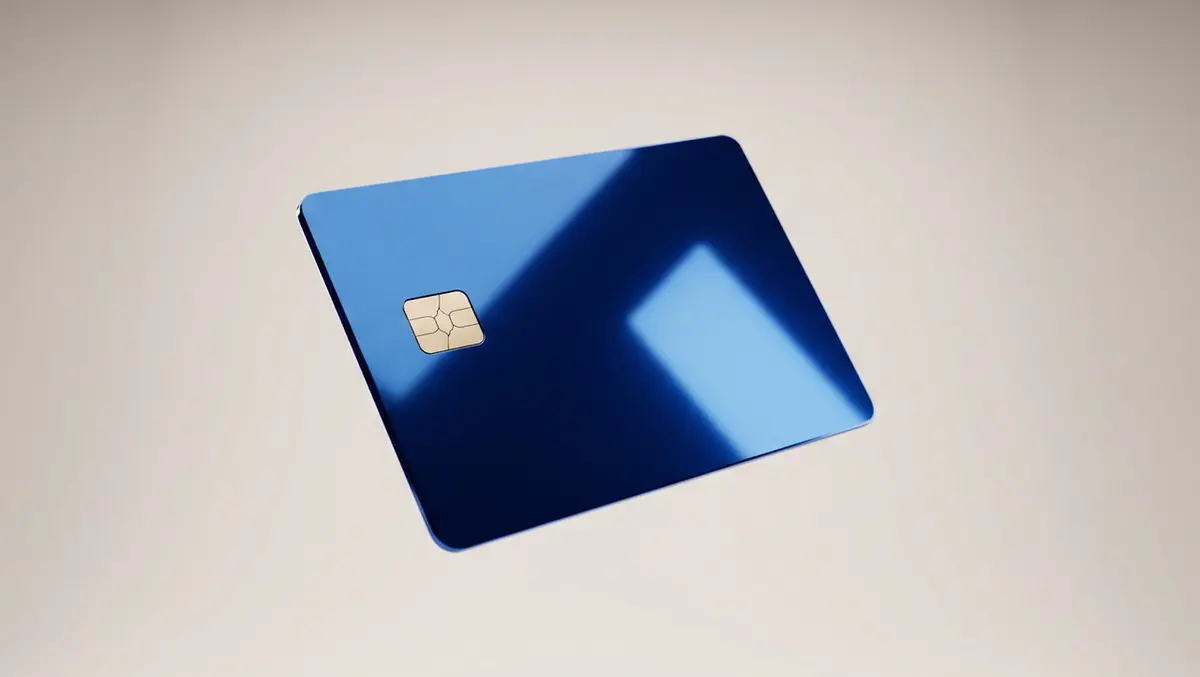
Giesecke+Devrient has expanded its Convego Ceramic payment card line with new colour options, broadening a range previously centred on black finishes.
The updated line includes white, blue and red tones, with other colours also available. The cards are aimed at banks seeking to stand out as they compete for affluent and aspirational customers.
The launch reflects a broader shift in retail banking, as lenders look for ways to deepen customer relationships beyond pricing and convenience. As fintech groups have gained ground, established banks have sought more visible markers of status and personalisation for premium account holders.
Research from McKinsey cited by Giesecke+Devrient showed fintechs' combined share of revenue among the world's largest banks and fintechs rose from 10% in 2021 to 17% in 2025. It also pointed to a market in which fintechs are moving beyond niche services into broader customer relationships.
Against that backdrop, payment cards have regained attention as a physical touchpoint between banks and customers. For wealthier clients in particular, issuers increasingly treat the card not only as a payment tool, but also as a product that reflects identity and status.
Ceramic shift
Giesecke+Devrient said its Convego Ceramic card was the first payment card on the market made entirely of ceramic, apart from its electronic components and antenna. Until now, ceramic payment cards have largely been associated with black or similarly dark tones, partly because of the technical difficulty of producing stable colours during firing.
Unlike printed finishes, colour in fired ceramics is created chemically within the material itself. High firing temperatures can cause pigments to fade or change shade, limiting the range of tones that can be reproduced consistently at scale.
Compounds used with stabilisers such as zirconium are better able to survive the firing process without discolouration, according to the company. That helps explain why oxide-based dark shades have dominated ceramic production, while lighter or brighter colours have been harder to commercialise.
Producing repeatable colours in ceramic cards therefore requires specialised manufacturing and close process control. Giesecke+Devrient is now extending that work into a broader palette as banks seek more tailored premium products.
Other customisation options include laser engraving to create background textures and electroplating on the ceramic surface. Electroplating deposits a thin metal layer that gives the card a reflective finish with shifting colour effects.
The use of zirconia also affects durability. It makes the surface more resistant to scratches and helps preserve the card's appearance after repeated use in and out of a wallet, the company said.
Premium market
Giesecke+Devrient framed the expansion around competition for higher-value banking customers. Luxury spending remains a large and growing market, and banks are increasingly trying to translate demand for premium goods and experiences into financial products with stronger visual distinction.
Figures from Altrata cited by the company showed ultra-high-net-worth individuals collectively spend USD 280 billion a year on luxury goods. Separate McKinsey consumer research projected the global luxury market would reach USD 700 billion by the end of the decade, growing by 4% to 6% annually.
That spending is not confined to the wealthiest households. Aspirational consumers also account for a significant share of premium brand purchases, broadening the appeal of products designed to signal exclusivity below the highest tiers of private banking.
For card issuers, that creates an opening in a segment where differentiation can be difficult. Interest rates, fees and digital features remain important, but banks are also examining design, materials and finish as part of their proposition to customers who expect recognition of status.
Payment cards made from metal have already become more common in premium banking. Ceramic offers another route, with a different feel and appearance, though it has remained a niche material because of manufacturing complexity and cost.
Giesecke+Devrient employs more than 14,500 people and reported turnover of EUR 3.2 billion in the 2025 fiscal year. The Munich-based group operates across digital security, financial platforms and currency technology, with 118 subsidiaries and joint ventures in 41 countries.
A company executive said the colour expansion marks a break with category conventions. "Ceramic in payment cards has been almost synonymous with black. Expanding the palette is a technical achievement that gives banks a genuinely new tool to signal exclusivity and identity," said Mikko Kähkönen, Head of Payment Cards Portfolio, Giesecke+Devrient.
He added: "As institutions compete for affluent customers, the physical card is once again becoming a strategic differentiator, one that customers can see, hold, and identify with."