

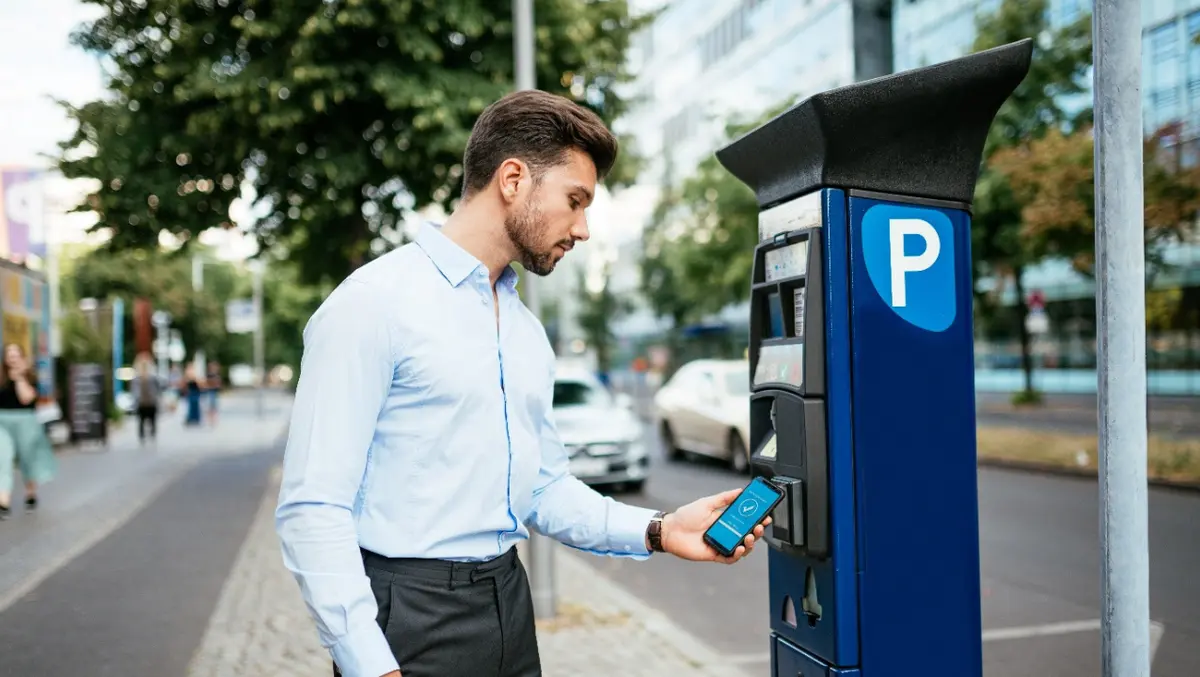
Ingenico & Arrive strike global urban payments deal
Tue, 19th May 2026%201.webp)
Ingenico and Arrive have agreed on a global partnership for payments in on-street parking and urban transport, covering more than 30 countries.
The deal combines Ingenico's self-service payment terminals with Arrive's ARCHIPEL unattended payment gateway for parking kiosks and transport ticket vending machines. The systems are designed for outdoor, solar-powered urban settings, where unattended hardware must operate with minimal maintenance.
Under the agreement, Arrive plans to install new parking kiosks and ticket machines using Ingenico terminals and upgrade part of its existing estate. That fleet comprises about 360,000 kiosks worldwide, giving the partnership a potentially large installed base if the rollout proceeds as planned.
Ingenico devices named in the agreement include the Self/2000 LE, Self/4000 LE and Self/5000 LE. The terminals support card-present transactions, PIN entry, digital wallets and local payment methods.
Fleet upgrade
Arrive operates mobility and parking brands including EasyPark, Flowbird, RingGo, ParkMobile and Parkopedia. It says it is active in more than 20,000 cities across 90 countries, making the payments partnership part of a broader push into urban transport and curbside infrastructure.
Ingenico also has a sizeable footprint in payments. It employs more than 3,000 people across 32 countries, and says tens of millions of its devices are deployed in more than 120 countries.
The partnership centres on unattended payments, where reliability, weather resistance and support for local payment preferences are important for city authorities and transport operators. Parking kiosks and ticket vending machines often need to operate continuously in exposed locations while still meeting consumer expectations for contactless and wallet-based transactions.
José Luis Arias Muerza outlined Ingenico's view of that demand. "Cities are under growing pressure to modernise critical infrastructure while delivering simple, reliable services to citizens," said José Luis Arias Muerza, Managing Director for Europe, the Middle East and Africa at Ingenico.
"Our partnership with Arrive brings together proven payment technology and deep mobility expertise to enable seamless, unattended payments at scale - from on-street parking to transport ticketing - across urban environments worldwide. Together, we are helping cities deploy future-ready solutions that are secure, resilient and built for long-term sustainability."
Urban payments
For Arrive, the agreement ties payment acceptance more closely to its existing role in parking and mobility services. Cities and operators increasingly want systems that can handle a mix of card, phone and local payment options without requiring extensive on-site intervention.
The partnership will support both newly deployed machines and retrofits to current equipment. That approach could allow operators to replace payment hardware without fully replacing kiosks, depending on the structure of existing installations.
Debbie Guerra described the rationale from Arrive's side. "Redefining urban mobility through seamless payments is central to our vision of making cities more livable," said Debbie Guerra, General Manager of Payments, Automotive, and Data at Arrive.
"By collaborating with Ingenico and leveraging its industry-leading payment terminals, we are empowering city authorities and mobility operators to simplify parking and transit transactions while improving the user experience for millions of drivers and passengers worldwide."
The companies plan to launch pilot programmes for on-street parking kiosks using Ingenico payment systems in 2026, followed by initial commercial deployments in 2027. The agreement points to continued investment in physical payment infrastructure even as app-based parking and ticketing grow, particularly where shared machines remain a primary access point for residents and visitors.