AI skills stories
The move puts workforce planning at the centre of OpenSky's expansion as it seeks faster delivery and tighter AI skills alignment.
Only 16% of firms have embedded AI in regulatory reporting, as governance and trust issues keep most projects in pilot stage.
Widening AI use across office teams is leaving many firms exposed to security and governance risks, the company says.
Smaller businesses and MSPs are being offered controls to stop staff sending sensitive data into generative AI tools, amid growing governance gaps.
Enterprises are seeking stronger controls as use of generative AI and autonomous agents widens across both internal tools and customer products.
AI is fuelling dealmaking across Australia and Southeast Asia, with buyers chasing proprietary tech, scalable models and data centre capacity.
While most firms already use AI tools, many are failing to train staff or tighten governance, widening a costly capability gap.
British founders remain wary of AI, with trust and knowledge gaps leaving small firms behind their European peers despite heavy admin loads.
Businesses that cut staff too aggressively on AI savings may face higher costs later, with Gartner forecasting rehiring for 30% by 2029.
Despite faster AI adoption, firms in Oceania are still missing out on bigger returns because trust, governance and skills are lagging.
Businesses will be able to automate sales, support and back-office tasks as Salesforce rolls out role-specific AI agents with built-in controls.
The free eight-week course could become Australia's largest AI founder programme, with small businesses most likely to lack in-house expertise.
Only 15% of New Zealand businesses have an AI strategy, leaving most unable to measure returns or prepare for the next wave of tools.
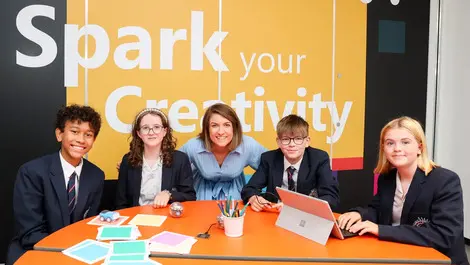
Free workshops and ambassador schemes are widening access to AI and STEM for schools, as Microsoft boosts its Belfast education hub.
Most Australian CIOs are struggling to show returns from AI, with just 16 per cent confident their investments have delivered measurable value.
Scottish firms will get support to move from AI trials to day-to-day use, with readiness checks and consultancy aimed at boosting productivity.
Organisations risk weakening security and productivity if AI is used to replace IT expertise rather than support training and oversight.
Teachers' lack of AI confidence is fuelling a push for wider digital training, after Stephen Norbury won a national education award for whole-school use.
Nearly 60% of officials say workforce gaps are slowing deployments, as security worries and fragmented systems also hold back progress.
The deal will give more than 70,000 students and staff institution-backed AI access, alongside safeguards and AUD $1 million for sustainability research.