Personal data stories
The bill would give Canadians stronger control over personal data, as Ottawa seeks tougher oversight of AI, children's privacy and surveillance pricing.
Ottawa's five-year push aims to lift adoption, create 250,000 AI jobs and curb the talent drain as Canada races to catch up.
Canadian households will get more choice in subscription-free home monitoring, as TP-Link widens Tapo cameras, sensors and doorbells across the country.
Nearly half of illicit streaming apps tested in Asia-Pacific contained malware, heightening risks of fraud, identity theft and device compromise.
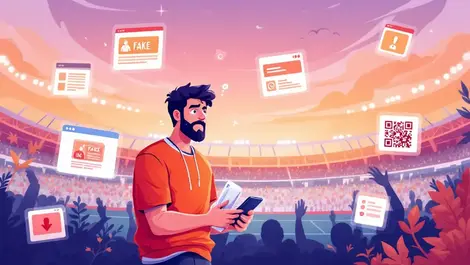
Fans buying tickets or streams for the FIFA World Cup face fake sites, rogue apps and QR-code traps that can steal payment details.
Larger data breach sanctions are becoming the norm as the ICO issues fewer penalties, but targets cases involving children's privacy and cyberattacks.
ChatGPT's new memory overhaul aims to keep personal details current and useful, with wider access set to follow in coming weeks.
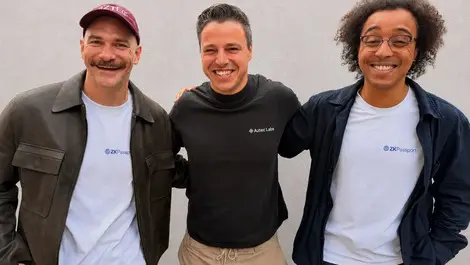
Privacy fears over centralised ID checks are set to deepen as Aztec Labs brings ZKPassport in-house for wider use.
European businesses face fresh compliance risk after a study found all 12 leading AI models breached core checks under EU law in testing.
The extension gives Rugby Australia two more years of protection against cyber threats as sporting bodies face rising risks to data and match-day systems.
Adopting an existing age assurance standard could let ministers enforce under-16 social media limits without forcing children to hand over extra data.
The return of highly significant incidents has renewed pressure on New Zealand organisations to tighten defences after losses jumped to NZD $5.6 million.
Most Irish adults want ministers to stop public bodies paying cyber ransoms, though concern rises sharply if citizens' data could be exposed.
Consumer patience is thinning, with Australian customers most likely to walk away when poor communications or clumsy data capture erode trust.
Public backing is strongest where facial recognition is tied to security, with 81% supporting border checks and 53% favouring tighter limits.
Telstra store customers can now verify their identity through a bank in seconds, cutting document handovers and helping curb fraud.
Most Australian fans would still join venue-named hotspots, leaving match-day travellers exposed to phishing, fake streams and account theft.
The alert raises pressure on clearance holders and defence workers after recruiters were accused of using LinkedIn and other platforms to seek secrets.
Adoption has surged to 17.4 million users, even as most Australians remain uneasy about tech firms' data use and ad-funded answers.
Wealthy households face a rising risk of theft and fraud as attackers mine social media, smart devices and public profiles for easy entry points.



















.webp)